Wallet & Security Guide: Key Isolation, Hardware Modules, and Custody Hygiene
Essential security guide detailing BIP-39 mnemonic derivation, air-gapped signing mechanisms, steel seed plate storage, and multi-signature governance.
Cryptographic Security Foundations
In public key cryptography, holding the private key constitutes sole ownership and execution authority over an account. Unlike traditional banking environments with reversible transactions, a compromised cryptographic key on a distributed ledger results in instantaneous, irreversible loss.
This guide outlines baseline and institutional key management practices for safeguarding assets on Dime.
1. Key Derivation & Hierarchical Deterministic (HD) Wallets
Modern wallets derive an infinite tree of private-public keypairs from a single master root seed:
[256-bit Entropy] -> [BIP-39 Mnemonic Phrase (12/24 Words)] -> [BIP-32/44 Derivation Path] -> [Account Keypair]
- Elliptic Curve Cryptography: Dime utilizes the Ed25519 digital signature scheme (Edwards-curve Digital Signature Algorithm), offering high verification speed and compact 64-byte signatures.
- Derivation Paths: Standard derivation paths follow
m/44'/501'/0'/0', where501'denotes the coin type, allowing multiple distinct account addresses to be generated from a single recovery phrase.
2. Hardware Enclaves vs. Software Hot Wallets
Storing cryptographic private keys on internet-connected devices (browsers, desktop operating systems, mobile phones) exposes key material to memory-scraping malware, clipboard injection attacks, and browser extension compromises.
| Security Dimension | Software Hot Wallet | Dedicated Hardware Wallet |
|---|---|---|
| Key Storage | Encrypted in OS disk/RAM | Isolated in tamper-resistant Secure Element (EAL6+) |
| Transaction Signing | Host CPU memory | Dedicated microcontroller on-device |
| Display Verification | Vulnerable to screen-spoofing | Independent physical display screen |
| Vulnerability to Malware | High | Near zero (physical presence required) |
3. Physical Backup Hygiene: Beyond Paper
Paper-written recovery seed phrases degrade rapidly over time and remain vulnerable to fire, moisture, and chemical exposure.
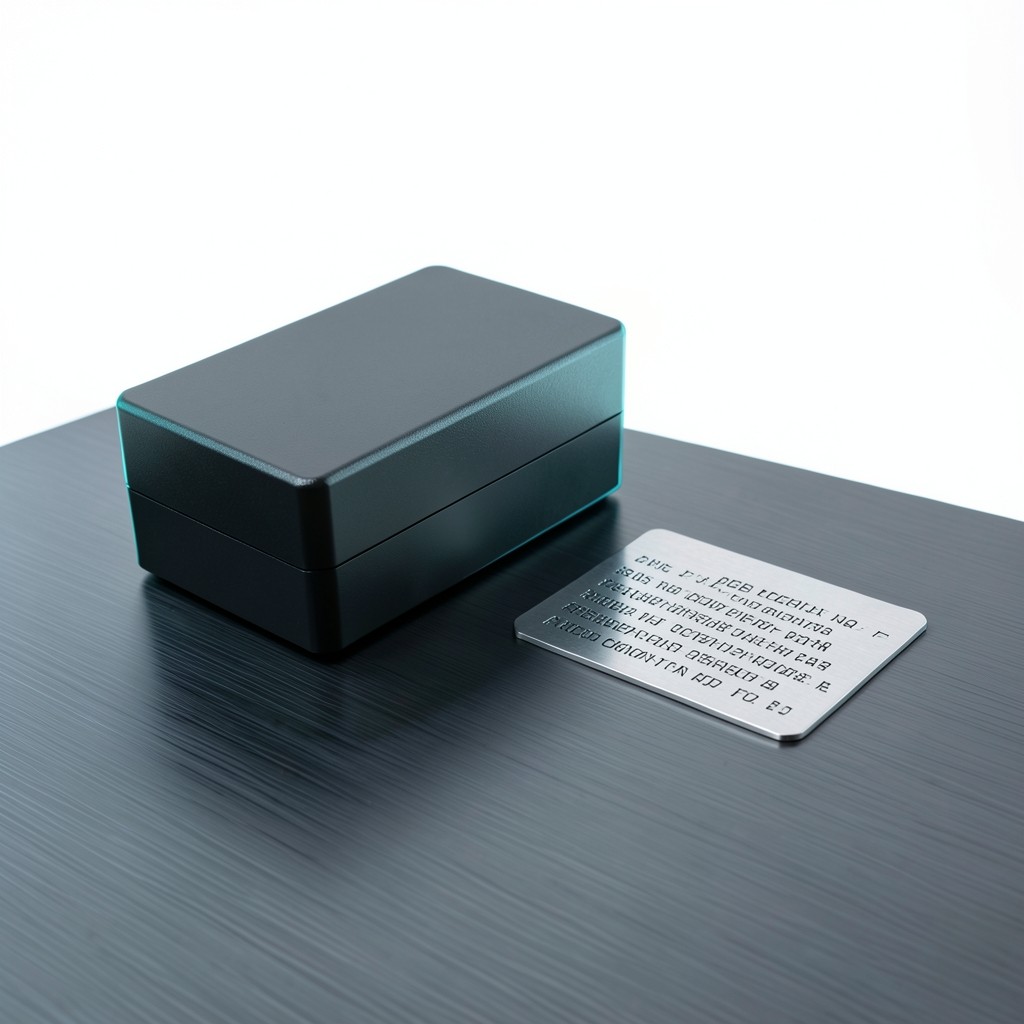
- Marine-Grade Stainless Steel (304/316): Stamp or punch recovery words into industrial stainless steel or titanium backup plates capable of withstanding temperatures exceeding 1,400°C (2,500°F).
- Geographic Distribution: Store encrypted backups or multi-signature keys in separate physical locations (e.g., dual safety deposit vaults) to eliminate single-point-of-failure risks.
- The 25th Word (Passphrase): Use an optional user-defined passphrase to create a completely hidden, plausible-deniability wallet partition.
4. Multi-Signature Threshold Architectures
For protocol treasuries, validator vote keys, and corporate funds, single-key custody is fundamentally inadequate.
A multi-signature governance setup (such as a 3-of-5 threshold) requires multiple independent hardware devices operated by separate individuals before any transaction payload can execute on-chain.
Summary
Rigorous key custody is the foundational requirement of participating in decentralized networks.
To evaluate your organization’s key custody framework, consider booking our Wallet Security & Key Custody Advisory.
This analysis was prepared by the research team at Dime Research Notes in Bangkok for educational and architectural evaluation purposes. For customized team briefings or node architecture sessions, consult our advisory desk.